Deutsch
 Español
 Français
 Magyar
 日本語
日本語 Polski
 Română
 Slovenský
 Slovenščina
 中文
中文Music Education News
Wolf Péter új kottái gyerekeknek
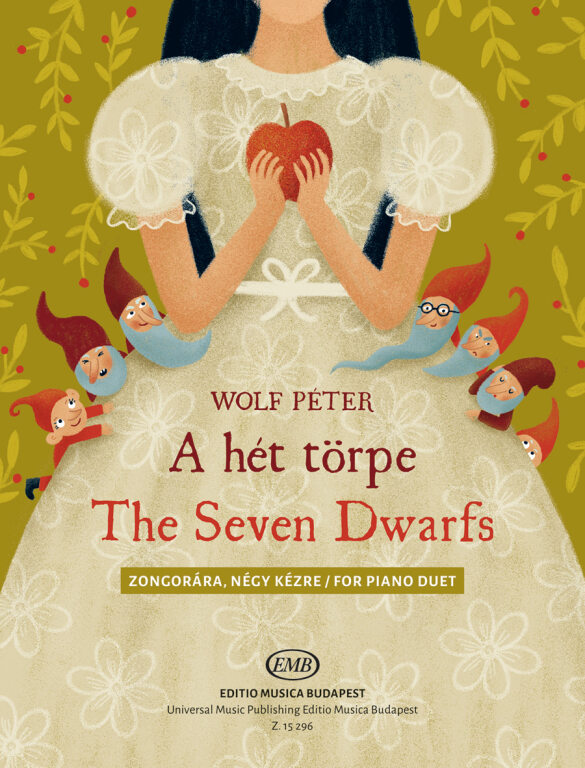
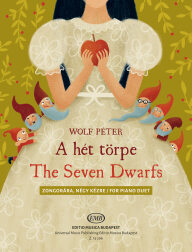
A Wolf-temperiertes Klavier három kötetének nagy sikere után (amelyek közül az utolsó, az Invenciók fiatal zongoristáknak kifejezetten gyerekek számára készült) megjelent A hét törpe című zongora négykezes kiadvány.
A gyűjtemény hét humoros, jazzes harmóniákkal és ritmusokkal teli darabot tartalmaz, amelyek Primo szólamát már a 3–4. osztályos zeneiskolások is könnyedén eljátszhatják. A Secondo szólamok nehezebbek, így azok a zongoratanárok vagy az idősebb, haladó szintű tanulók számára alkalmasak.
Hamarosan megjelenik Wolf Péter egyik legismertebb rajzfilmzenéjének, a Vuk főcímdalának kottája két kiadványban. A szerző maga írta át a művet két változatra: az egyiket fuvolára, oboára, hegedűre vagy gitárra és zongorára hangszerelte, a másikat klarinétra, szopránszaxofonra vagy trombitára és zongorára.
New book within the Kodály Concept Library
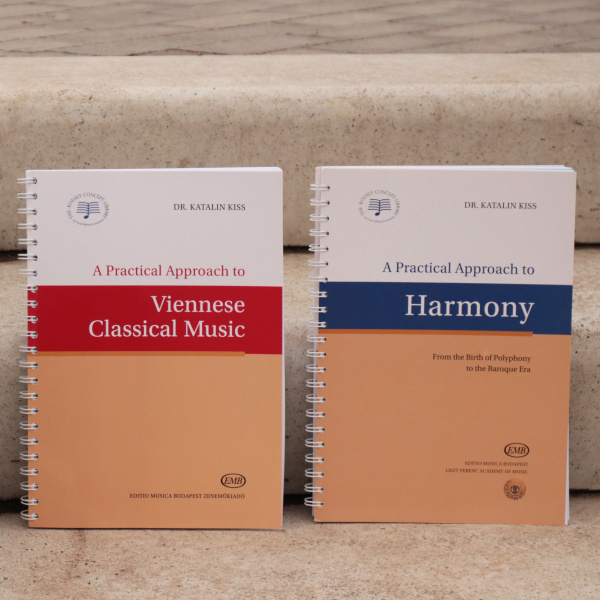
The book titled A Practical Approach to Viennese Classical Music supports conservatory students (aged 14–22) and their teachers with a collection of carefully selected material from which to learn the necessary musical concepts and practical knowledge of music theory, form, and harmony.
The target era is the Viennese Classical period. The focus is on the greatest representatives of their time: Haydn, Mozart, and Beethoven.
The book concentrates on the practical aspects of studying music theory, form, and harmony. This means that all musical concepts become practical knowledge and are integrated into skills that a cultured musician needs (score reading, writing, singing or playing, composing, memorizing, transposing, arranging, analyzing, and so on).
The first volume of the publication, A Practical Approach to Harmony: From the Birth of Polyphony to the Baroque Era, was published in 2015.
Guide to Early Keyboard Music
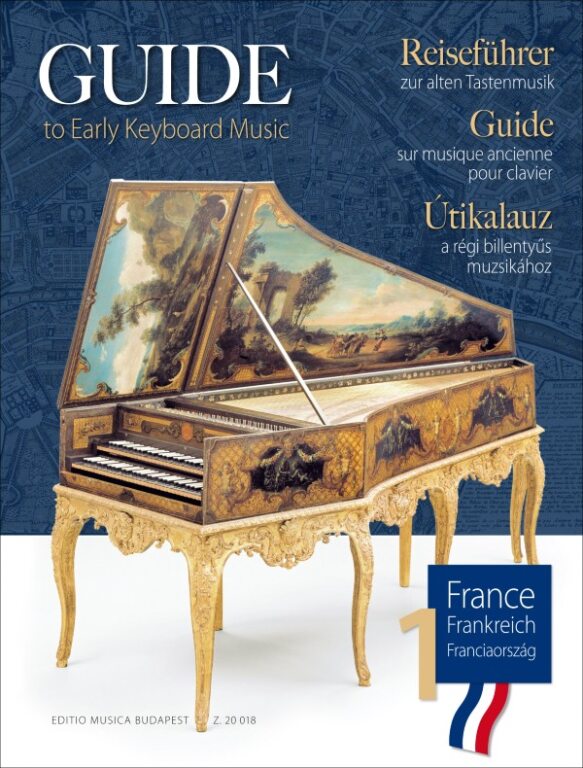
This brand-new series is intended as a guide to the keyboard music of the 16th to 19th centuries for pupils of the piano and the harpsichord, as well as of other early keyboard instruments.
Each volume contains pieces by well-known and lesser-known composers from one country or region.
The main purpose of the series is to extend the repertoire and stylistic knowledge of both pianists and harpsichordists while also presenting fine pieces and typical genres based on original sources.
Our edition retains the performance indications of the composers' manuscripts and contemporary editions.
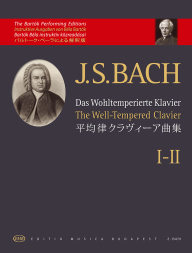
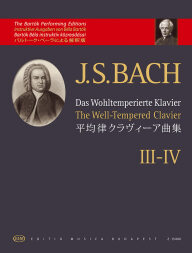
The Bartók Performing Editions Presents: The Well-Tempered Clavier
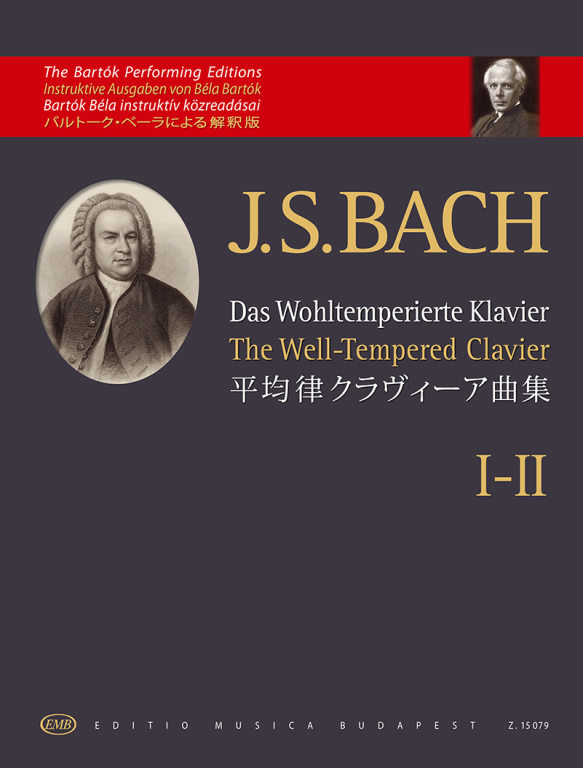
J.S. Bach's The Well-Tempered Clavier is essential for the study and development of aspiring pianists around the world. As such, Bartók dedicated a lot of time to these pieces and gave a lot of thought to how they can be used most effectively to educate young musicians.
The four-volume The Well-Tempered Clavier was the first of Bartók's instructive editions. Bartók's editing reflects contemporary ideas about performance, and his primary goal was to create an instructive edition that was more detailed than any other which existed during his time.
This publication has been renewed as a two-volume edition (I-II and III-IV, respectively), and it includes suggestions, commentaries and fingerings by Bartók for the performer. In addition to correcting several editorial errors, this version also contains English and Japanese translations of Bartók's original Hungarian and German annotations.
Embrace music
Embrace Music — That is the motto we have adopted this year. In other words, we want to help you to make music an integral part of your life.
Music is all around us these days; it stimulates us more intensely and prevalently than ever before. But do we relate to it passively or actively? Are we merely consumers or makers of music as well?
We at EMB know that making music brings joy. That joy is multiplied and shared by playing to others. What’s more, making music develops individual values, such as concentration, openness, sensitivity, collaboration, and concern for others.
Our aim is to allow as many people of all ages to experience the wonder and value of music.