Deutsch
 English
 Español
 Français
 Magyar
 日本語
 Polski
 Slovenský
 Slovenščina
 中文
Drumul operelor muzicale de la autor la interpret
Misiunea editorului de muzică este de a transforma ideile muzicale ale autorilor într-o formă lizibilă, inspiratoare și ușor de utilizat pentru interpreți; de a se ocupa de popularizarea, distribuirea și utilizarea legală a operelor. Cu trei sferturi de secol de experiență în spate, îndeplinim această muncă onorantă cu competență, devotament și entuziasm.
Le mulțumim compozitorilor și pedagogilor de muzică pentru că ne încredințează îngrijirea operelor lor.
S
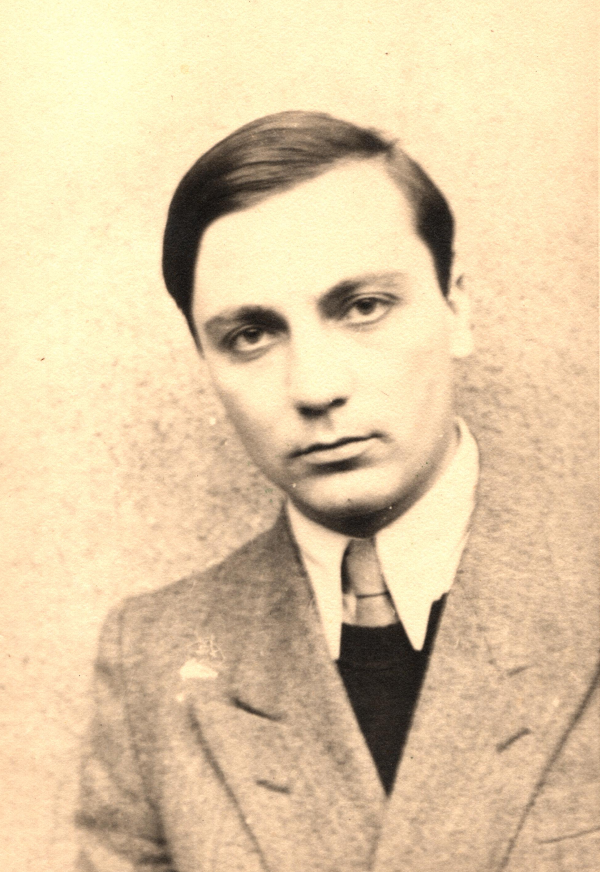
Photo: Courtesy of the Járdányi family
Pál Járdányi (born Pál Paulovics; Budapest, 30 January 1920 – Budapest, 29 July 1966) was a Hungarian composer, recipient of the Erkel and Kossuth Prizes, and one of the most distinguished ethnomusicologists of the twentieth century. In addition to his work as a composer, he was also a prominent music critic and teacher. His orchestral and choral compositions frequently incorporate Hungarian folk songs. Following the example of Béla Bartók, his music is characterized by a strong Hungarian folk idiom, even in works where no specific folk source can be identified.
His musical talent became apparent at an early age, and he began studying the violin in Rome in 1928. After returning to Budapest, he continued his violin studies with Ilona Votisky and also began studying the piano. From 1933, he studied composition under Lajos Bárdos. From childhood, he admired the works of Béla Bartók and Zoltán Kodály. In 1930, he enrolled at the Cistercian Saint Emeric Grammar School, where one of his teachers was Benjamin Rajeczky, the renowned Cistercian priest and musicologist, who would later become his colleague. In 1936, Járdányi was admitted to the Franz Liszt Academy of Music in Budapest, where he studied violin with Ede Zathureczky, later composition with Zoltán Kodály, and piano with György Kósa. He graduated from secondary school in 1938 and, while continuing his studies at the academy, enrolled in the Department of Ethnography at Pázmány Péter University. He received his degree in ethnography in 1942 and earned his doctorate the following year while also graduating from the Franz Liszt Academy of Music.